
Psychology BS
Explore psychology through a holistic lens, preparing for careers in clinical practice, counseling, health psychology, research or neuroscience.
Explore the Forensic Psychology degree at ACPHS—a unique Bachelor of Science program that blends psychology and criminal justice to give you a deep understanding of human behavior and its role in the legal system.
Forensic psychology–the intersection of psychology, law and criminal justice through a forensic lens–prepares you for a career in law enforcement, victim advocacy, legal research or the psychological treatment of offenders.
If you’re fascinated by human behavior and the justice system, the Forensic Psychology program at ACPHS offers a one-of-a-kind opportunity to turn your curiosity into a meaningful and powerful career.
In the ACPHS Forensic Psychology program, you won’t just study psychology—you’ll apply it directly to the legal system. You’ll take a focused sequence of forensic psychology courses, complemented by traditional psychology classes as well as criminal-justice courses.
This unique combination gives you a comprehensive understanding of both the mind and the law—preparing you for a wide range of careers in psychology, criminal justice and beyond.
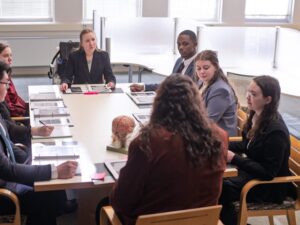
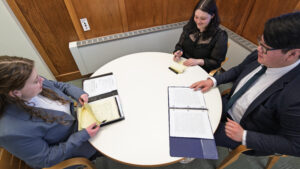
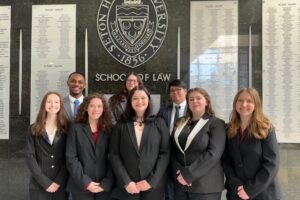
You’ll also apply what you learn outside the classroom. Earn credit by taking the stand as part of the ACPHS Mock Trial Team.
Students also conduct research with faculty, giving them a competitive edge for graduate programs and careers in psychology, law enforcement or legal fields.
Whether you’re aiming for grad school, law enforcement, counseling or public service, the Forensic Psychology program at ACPHS prepares you to lead—and make a difference.
Forensic psychologists bring psychological insights into the legal system. That could mean assessing and treating individuals involved with the courts, contributing to criminal investigations, influencing public policy or offering expert courtroom testimony. It’s a career that blends science, justice and human behavior—and impacts lives every day.

A BS in Forensic Psychology from ACPHS prepares you for advanced studies and opens the door to exciting opportunities in psychology, law enforcement or law. With demand for mental health professionals on the rise, careers in this field are growing fast—the U.S. Bureau of Labor Statistics projects a 7% job growth for psychologists through 2033, outpacing many other fields.
Whether you’re interested in counseling, research or the justice system, you’ll graduate ready to make a meaningful impact.
Career options for forensic psychology majors include:
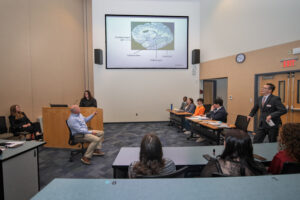
Bring forensic science to life as you deliver expert testimony in a mock trial, featuring a dramatized case.
Our students have interned at prestigious agencies across New York State, including the New York State Police Crime Laboratory, St. Anne Institute, state and federal courts, correctional facilities, state and local police departments, and the FBI.
The BS in Forensic Psychology curriculum includes a dynamic mix of courses that blend psychological theory with real-world legal applications. You’ll explore specialized topics like Child and Adolescent Forensic Psychology, Forensic Neuroscience and Mental Health Law.
Core psychology classes such as Abnormal Psychology, Social Psychology, and Human Sexuality help you understand behavior from multiple perspectives.
You’ll also gain insight into the criminal-justice system through courses like Criminal Profiling, Sex Crimes and White Collar Crime.
The BS in Forensic Psychology at ACPHS is built around the five core learning goals recommended by the American Psychological Association:
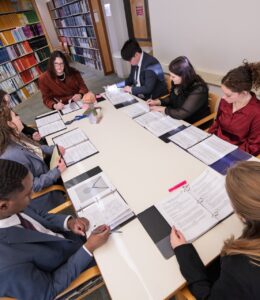
Step into the courtroom and experience the intensity of giving expert testimony with the ACPHS Mock Trial Team.






















Social