
On October 9, ACPHS’ School of Health Sciences and Office of DEI welcomed renowned food justice advocate, author and co-director of Soul Fire Farm in Grafton NY, Leah Penniman, to speak with students about her mission to end racism in the food system and reclaim our ancestral connection to the land.
Instructor of Humanities, Dr. Fred Boehrer, requested Global Health students’ reflections on Penniman’s talk. Here are some of their insights:
Kathryn Harden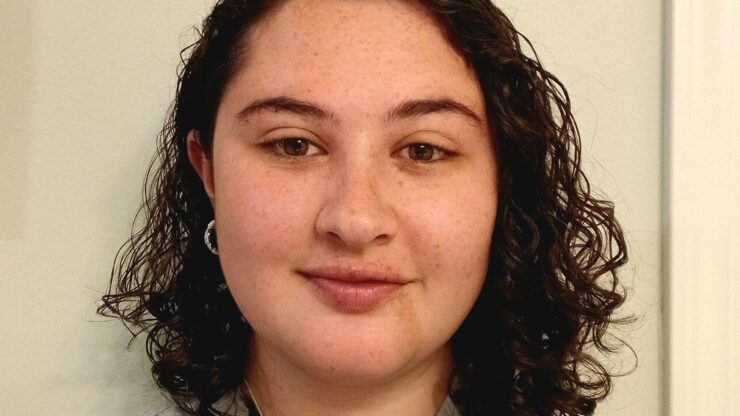
One quote that Leah Penniman said that stood out to me was, “Food is a basic human right; it shouldn’t be a privilege, and everyone deserves to have access to organic and good food.” This relates closely to our course in the discussion of medical care being a basic human right as well, but much like food, many people have trouble accessing it or being able to afford it, turning it into a privilege. When the reality is, food is a basic component of life, just like medical care, and without it, we would not be able to function, grow more of it, or continue our daily lives to the degree that we need to. Thus, programs and policies need to be changed to assist and help those who struggle to access these types of resources, especially those who immigrate to the United States. Considering many other countries have much stricter food laws, the foods they are accustomed to eating, such as organic produce, are extremely difficult for those who immigrate here with very little money, due to the high price of such food. This, in turn, forces them to buy the heavily processed foods they are not used to, which makes them very sick. But they are not able to see a doctor to learn this, because of not have health insurance, which forces them to continue to eat this food that they can afford, continuing to get sick, and nothing changes. If society and the government actually upheld the basic human rights of the people, then healthcare, access to food, and other necessities would be made much more easily available to all.
Synthia Ramen
In her talk, Leah Penniman talked a lot about how food is a basic human right, and it shouldn’t be a privilege. It was really interesting to me, especially when she mentioned food apartheid. I know that we haven’t gone over this specific term in class, but it reminds me of things we have talked about in class since it highlights the inequalities that exist in our food systems, where certain communities, often marginalized or low-income, struggle to access healthy and affordable food. This issue isn’t just about personal choices; it’s deeply rooted in historical and structural injustices that keep people in poverty and limit their access to resources. In “Justice of Global Health,” we looked at how these disparities lead to significant health inequities, especially for marginalized groups. So, when she talked about food being a human right, it reinforces the idea that everyone should have access to nutritious food, no matter what their background. It makes me think about the systems that create these inequalities and the need for a fairer food system. Her insights highlight the close connection between food security and health justice, prompting a consideration of a fair and honest solution for all communities.
Learn more about Leah’ mission and work at South Fire Farm.

Social