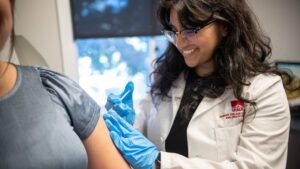
Physician Assistant Studies MS
Become an integral member of a healthcare team who not only treats illness but also advocates for prevention, wellness and equitable care.
Pending Approval by the New York State Education Department (NYSED)
Anticipated Enrollment Term: Spring 2028
A Physician Assistant brings both clinical expertise and flexibility to a healthcare team. A PA helps to expand access to high-quality care by providing comprehensive clinical services, improving efficiency, and collaborating closely with the healthcare team to achieve better patient outcomes.
In this role, you will work closely with physicians, nurses, pharmacists, therapists, and other clinicians and provide the flexibility needed to respond to changing workforce needs, while simultaneously building long-term relationships with patients.
Want to serve as the bridge between different members of the healthcare team? Let ACPHS prepare you for this fulfilling career.
U.S. Bureau of Labor Statistics
Mission Statement
To educate PA students in the fields of basic and clinical sciences, clinical reasoning and problem-solving to become compassionate PAs who provide evidence-based, culturally competent patient care.
Vision Statement
To become a leader in physician assistant education, recognized for excellence in teaching and for graduating exceptional PAs who possess expansive medical knowledge, advanced critical thinking abilities, collaborative interpersonal skills and embrace lifelong learning.
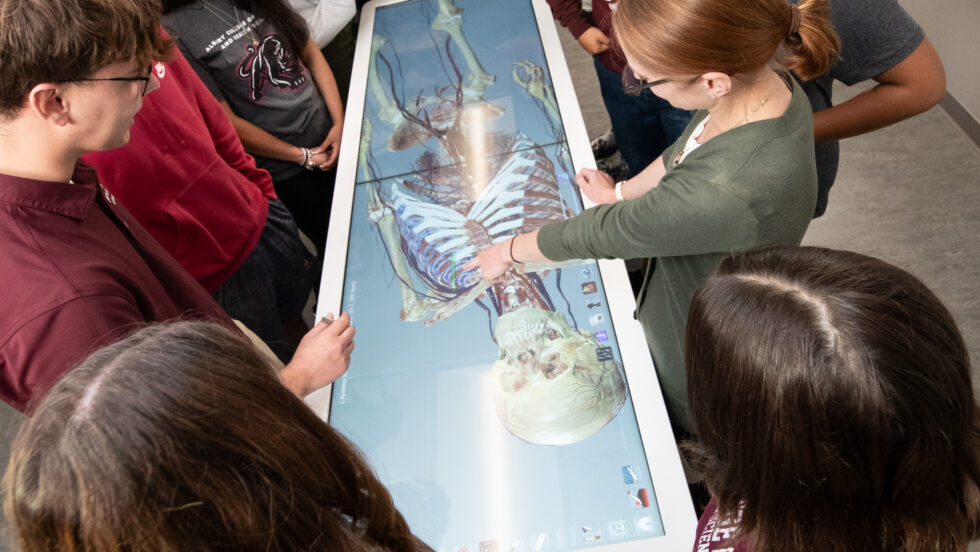
Program Attributes
- Comprehensive didactic curriculum designed to build knowledge systematically
- PA educators have extensive experience in clinical practice and PA education
- Eight, five-week clinical rotations which include one elective rotation
PAs are licensed clinicians who practice medicine in a variety of settings including outpatient settings, inpatient settings, emergency departments and operating rooms. They specialize in every specialty including primary care, pediatric care, women’s health, psychiatry, all surgical specialties, emergency medicine.
Experiential Education
Experiential learning opportunities are provided in a wide range of settings including inpatient hospitals, outpatient clinics, emergency departments, and the operating room. Students will be trained by licensed physicians, physician assistants, and advanced nurse practitioners.
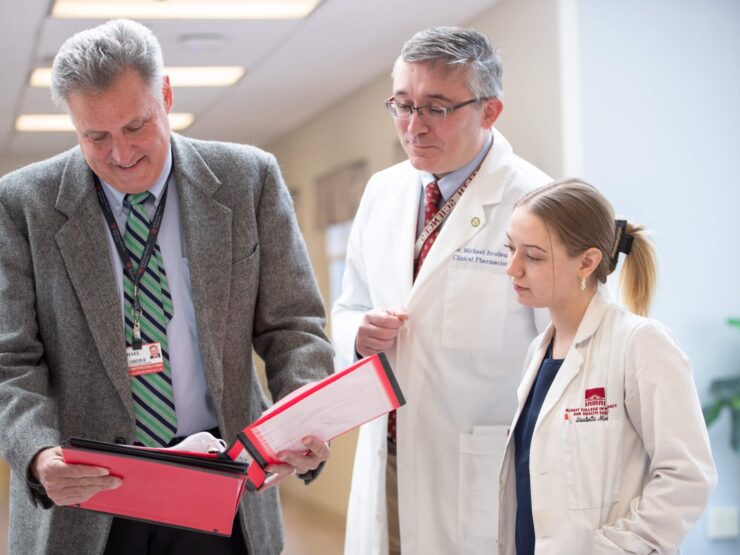
Affiliates
ACPHS has affiliation agreements with top-tier healthcare organizations, including:
- Trinity Healthcare and their associated hospitals and clinics, namely St. Peters
- Bassett Healthcare
- Berkshire Healthcare
- Private practice groups and others
PA Program Details
The following chart indicates the institutional refund policy for withdrawal and leave of absence from the College:
Withdrawal Date and Refund Percentage
- Before start of classes to first day of class: 100%
- After first day to before end of 10% of term: 90%
- End of 10% of term to before end of 25% of term: 50%
- End of 25% of term to end of 50% of term: 25%
- After 50% of term to end of term: 0%
Title IV Funds Policy
ACPHS uses the revised policy of Return of Title IV Funds as amended in section 484B of the Higher Education Act of 1965.
- Each student receiving Title IV assistance will have his or her financial award recalculated to adhere with federal regulations. Federal funds will be returned when required by law.
- The Return of Title IV Funds (Return) regulations dictate the statutory schedule used to determine the amount of Title IV funds (federal student aid) a student has earned as of the date he or she ceases attendance.
- The amount of Title IV program assistance earned is based on the amount of time the student spent in academic attendance; it has no relationship to the student’s incurred institutional charges.
- Up through the 60 percent point in each payment period or period of enrollment, a pro rata schedule is used to determine the amount of Title IV funds the student has earned at the time of withdrawal. After the 60 percent point in the payment period or period of enrollment, a student has earned 100 percent of the Title IV funds.
- The Return regulations do not prohibit a school from administering its own refund policy or complying with refund policies required by state or other outside agencies. Although an institutional, state or agency refund policy will determine the charges a student will owe after withdrawing, those policies will not affect the amount of aid the student has earned under the Return calculation.
Students are discouraged from holding employment during the PA program due to the rigorous nature and time commitment required of the program, as students will always be expected to be available for clinical shifts, including nights, weekends and some holidays.
PA students must not substitute for, or function as, instructional faculty, clinical or administrative staff. PA students are not required to work for the program.
Students must always wear a name tag during clinical rotations that is visible and identifies themselves as PA students. Students must always introduce themselves as PA students at clinical sites.
Environmental Hazards
Prior to attending clinical rotations, students will receive training on environmental hazards in the clinical environment including hazardous chemicals, infectious waste, radioactive materials and physical injury. Students will learn methods to prevent exposure to hazardous substances and physical injury. Students will learn to manage chemical spills and leaks, to handle and store cylinders and steps to take when exposed to hazardous substances, and after injury.
Exposure to Hazardous Environmental Substances
If exposed to hazardous substances, students should follow these steps as recommended by the Occupational Safety and Health Administration (OSHA):
- Remove personal protective equipment
- Read the safety data sheet (SDS) pertaining to the substance for guidance
- Blot the skin if wet, brush off the skin if it is a solid substance, flush the area copiously with water unless the substance is water reactive
- If the eye is exposed, rinse the eye with water or other approved eyewash solution for at least 15 minutes
- Remove and dispose of contaminated clothing
- Alert the preceptor and/or supervisor
- Seek medical attention at the Occupational Health office associated with the clinical site, or another medical clinic. Students are responsible for the cost of any associated healthcare.
- Complete the site and school reporting forms
Universal Precautions
Prior to attending clinical rotations, students will receive training on universal precautions. This training will include the appropriate methods of preventing the spread of communicable diseases, and handling and disposing of body fluids and body tissues. Students will also learn to handle and dispose of sharps (needles and other tools that penetrate skin). Students are responsible for applying their training in clinical practice during clinical rotations.
Accidental Exposure to Body Fluids
Each clinical site has policies and procedures to guide students who have been exposed to body fluids. Students should immediately notify their preceptor or another responsible individual if they have been exposed to body fluids via a needle stick or another method. Students should seek medical attention if required and are responsible for the cost of any required healthcare. Common procedures for exposure include immediate washing or rinsing of the exposed area, testing the patient, if consented, for communicable diseases, and may involve testing the student for communicable diseases.
Physical Injury
Physical injury can occur in the healthcare setting due to falls or lifting and twisting and other mechanisms. If a student sustains an injury at a clinical rotation site, the student should notify the preceptor and the program director. The student should seek medical attention at the Occupational Health office associated with the clinical site, or another medical clinical or emergency department.
Students are responsible for the cost of any healthcare related to injury or exposure.
The program director, medical director, and principal faculty are not permitted to act as healthcare providers for students in the program, except in emergency situations.
Students are encouraged to notify and faculty member or the program director during times of diminished mental health, such as significant stress, mood changes, sadness or hopelessness, excessive worry, eating and/or sleeping problems, relationship issues, family worries, loss, or a personal struggle or crisis. The program director and/or faculty are expected to refer the student to counseling or other appropriate resources within 24 hours.
The program director, medical director and PA principal faculty cannot provide formal mental health counseling to students.
PA students are not required to provide or solicit clinical sites or preceptors.
There are eight clinical required rotations which includes one elective rotation. These five-week sessions provide hands-on clinical experience in real healthcare settings. They help PA students develop the skills and judgment needed to care for patients independently under physician supervision. Clinical rotations are conducted primarily in-person, with the exception of occasional tele-health experiences.
The Core Clinical Rotations include:
- Internal Medicine
- Pediatrics
- Psychiatry
- Surgery
- Emergency Medicine
- Women’s Health
- Family Medicine
To provide students with the highest-quality clinical education experiences, clinical rotations may be arranged at sites across the United States. International clinical rotation sites are not offered at this time. Students will have the opportunity to express preferences for specific clinical rotations however, placement at a preferred site cannot be guaranteed. Students are responsible for all expenses related to travel, housing and living expenses.
The required immunizations for enrollment at ACPHS include:
- Measles, Mumps, Rubella (MMR) – Series of two vaccines or serology confirming immunity
- Varicella – Series of two vaccines or serology confirming immunity
- Meningococcal – One or series of two vaccines
- Hepatitis B – Series of three vaccines or serology confirming immunity
Required immunizations and screenings for the clinical year of the PA program include:
- Tetanus, diphtheria, pertussis (Tdap) – One vaccine plus Td booster 10 years thereafter
- Influenza – One vaccine annually
- COVID-19 – One vaccine annually
- Tuberculosis screening – PPD or IGRA
Vaccines for international travel are not required as all clinical sites are located in the United States.
What Vaccines are Recommended for You | Adult Vaccines | CDC
The ACPHS PA program has applied for provisional accreditation.
Provisional Accreditation is a status conferred when the proposed program’s plans and resource allocation, if executed as intended, indicate the program’s capacity to meet the ARC-PA Standards, even though it has not yet enrolled students. Similarly, a program holding accreditation-provisional status may demonstrate ongoing progress in adhering to the Standards as it readies for the graduation of its inaugural class (cohort) of students.
The provisional accreditation process begins with a thorough review of the planning, organization, and proposed content of a program that is in the advanced planning stages, but not yet operational. The provisional accreditation pathway is the only entry way for proposed new programs into the accreditation process.
Prospective students and others can access more information about the ARC-PA online at https://www.arc-pa.org.
ACPHS PA Program Plan for Measuring Success at Achieving Goals:
Goal 1. Provide students with a strong foundation in the basic sciences
Outcome Measure: Student performance in foundational science courses
Benchmark: Average final course grade for each cohort in the following courses is ≥ 80%
- Clinical Anatomy
- Human Physiology & Pathophysiology I
- Human Physiology & Pathophysiology II
- Clinical Pharmacology I
- Clinical Pharmacology II
- Medical Genetics
Goal 2. Provide students with a strong foundation in clinical sciences
Outcome Measure: Student performance in the clinical medicine courses
Benchmark: Average final course grade for each cohort in the following courses is ≥ 80%
- Clinical Medicine I
- Clinical Medicine II
- Clinical Medicine III
- Clinical Medicine IV
Goal 3. Provide students with the ability to perform clinical skills
Outcome Measure I: Student performance in the Physical Exam course and Lab
Benchmark I: Average final course grade for each cohort in the PE course and PE lab is ≥80%
- Physical Examination
- Physical Examination Lab
Outcome Measure II: Student performance in the Physical Exam section of the Summative Skills Examination (SSE)
Benchmark II: Average score of each student cohort is ≥3 on the Physical Examination section of the SSE (Scale 1-5)
Outcome Measure III: Student performance in the History-Taking Activities within the Patient Assessment courses
Benchmark III: Average combine grade of ≥80% within each cohort
Goal 4. Provide students with a strong foundation in Health Maintenance, Patient Education, and Preventative healthcare
Outcome Measure I: Student performance in Clinical Seminar I
Benchmark I: Average Comprehensive Final Examination Grade in Clinical Seminar I ≥ 80%
Outcome Measure II: PANCE performance in the Task area of Health Maintenance, Patient Education, and Preventative Measures
Benchmark II: Average score of each cohort on the Health Maintenance, Patient Education, and Preventive Measures Task area on PANCE meets the national average
Goal 5. Provide students with the skills to create management plans for medical conditions using pharmaceuticals
Outcome Measure: Student performance on the PANCE content area of Pharmacotherapeutics
Benchmark: Average score of each cohort on the Task area of Pharmaceutical Therapeutics on PANCE meets the national average
Goal 6. Facilitate clinical decision-making skills
Outcome Measure I: Student performance in the Patient Assessment Courses
Benchmark I: Average final course grades of each cohort ≥80%
- Patient Assessment I
- Patient Assessment II
Outcome Measure II: Student performance in the SCPEs pertaining to clinical reasoning & problem-solving
Benchmark II: Average preceptor evaluation score in clinical reasoning and problem-solving across each cohort is ≥3 (proficient) on the scale of 1-5.
Goal 7. Provide students with the tools to practice evidence-based medicine
Outcome Measure: Student performance in the Evidence-Based Medicine course
Benchmark: Average combined final course grade of ≥80% in each cohort
Goal 8. Develop skills to function as a competent member of an interprofessional team
Outcome Measure: Graduating students’ rating on the exit survey
Benchmark: Average exit survey responses ≥4 to the question, “I am able to work effectively with physicians and other healthcare professionals as a member of a patient-centered healthcare team” (Likert Scale 1-5).
Goal 9. Develop skills to provide compassionate and culturally competent care
Outcome Measure: Students’ performance on three domains within the History-Taking Activities in the Medical Interviewing & Documentation course, and the Patient Assessment I&II courses. 1. Information gathering (includes cultural & religious considerations), 2. Communication skills and 3. Rapport & Empathy
Benchmark: Average combined score from the three domains of the three assessments per cohort ≥ 80% (54/67)
PANCE report data will be provided after the first cohort has graduated.
The PA Program curriculum consists of four semesters of in-person didactic education delivered on the Albany College of Pharmacy and Health Sciences campus, followed by three semesters of clinical education completed at a variety of off-campus clinical sites. Clinical rotations are conducted primarily in-person, with the exception of occasional tele-health experience.
Summary of Estimated Costs
Didactic Phase
- Tuition and fees ($950 per credit, plus lab and loan fees) : $65,767
- Other costs: $41,069
Didactic Phase Total Estimated Cost: $106,836
Clinical Phase
- Tuition and fees ($1150 per credit, plus loan fees): $46,822
Clinical Phase Total Estimated Cost: $78,584
TOTAL ESTIMATED PROGRAM COST: $185,420
Possess a Foundation of Medical Knowledge
-
- Demonstrate a foundation of knowledge of diseases within all organ systems
- Demonstrate a foundation of knowledge of managing patients
- Demonstrate a foundation of knowledge of applying foundational scientific concepts
- Demonstrate a foundation of knowledge of professional practice
Demonstrate Effective Clinical Skills
-
- Demonstrate sufficient and appropriate history taking
- Perform appropriate physical examination
Demonstrate Clinical Reasoning & Problem-Solving
-
- Choose and interpret diagnostic studies in the evaluation of a patient
-
- Develop an appropriate differential diagnosis given a patient case
-
- Choose a most likely diagnosis given a patient case
-
- Develop an appropriate treatment plan given a patient case
Demonstrate Effective Interpersonal Skills
-
- Listens attentively
-
- Speaks clearly
-
- Confirms patient understanding
-
- Provides accurate, tailored patient education
Demonstrate Professional Behaviors
-
- Demonstrates respect
- Demonstrates compassion
- Demonstrates integrity
- Demonstrates cultural humility
- Demonstrates patient-centered care
Demonstrate accurate and appropriate technical skills
- Performs technical skills accurately
Data will be published once the first cohort graduates in 2030.
A3.12b,d
To be considered for admission to the MS in Physician Assistant Studies program at ACPHS, students must have completed the following pre-requisites:
- Bachelor’s degree earned prior to matriculation
- Overall GPA must each be 3.3 or greater on a 4.0 scale
- Overall Science GPA must be 3.2 or greater on a 4.0 scale
- At least 20 hours of shadowing a practicing PA
- At least 1,000 hours of acceptable documented patient contact
- A minimum of two letters of recommendation are required as part of the application
- One submitted by a clinician (PA, MD, DO, NP, or CNS) who has observed the candidate in a clinical setting and can attest to the candidate’s readiness for a career in medicine
- One submitted by an individual who has instructed or supervised the candidate in an academic setting
Acceptable patient contact hours (paid or unpaid) include:
- Emergency Medicine Technician (EMT) or Paramedic
- Nurse or Nursing Assistant/Patient Care Technician
- Medical Assistant
- Medical Scribe
- Inpatient Phlebotomist (Outpatient Phlebotomist will not be accepted)
- Athletic Trainer
- Dental Assistant
- Physical Therapist/Physical Therapy Assistant
- Occupational Therapist/Occupational Therapy Assistant
- Dietician
- Sonographer
- Surgical Technician
- Emergency Department Technician
- Optometry Assistant
- Military Corpsman or Medic
*Other patient care hours will be considered on a case-by-case basis
Patient contact hours that will NOT be accepted include:
- Home Health Aide or Personal Home Care Attendant/Companion
- Research Assistant/Technician
- Patient Transporter
- Patient Advocate or Child Life Specialist
- Pharmacy Technician
- Lifeguard
- Medical Interpreter
- Medical Secretary/Administrator
- Patient Observer/Sitter
- Mental Health/Substance Abuse Worker
- COVID Screener/Tester/Vaccinator
The following pre-requisite courses must be completed at an accredited educational institution within the United States. Students must have earned a grade of C or better in each of the pre-requisite courses.
- General Biology with lab (two semesters)
- General Chemistry with lab (two semesters)
- Organic Chemistry with lab (one semester)
- Biochemistry (one semester)
- Microbiology (one semester)
- Genetics (one semester)
- Statistics (one semester)
- General Psychology (one semester)
- Anatomy and Physiology (two semesters)
Other courses that are recommended, but not required for admission, include:
- Abnormal Psychology/Psychopathology
- Introduction to Pharmacology
- Public Health
- Immunology
A3.12a
*Preferential consideration will be given to candidates with the highest overall and science GPA, and the highest number of patient contact hours. Please note, a science GPA will be weighted higher than overall GPA for admissions considerations.
*While applications are accepted on a rolling basis, early applications will be given preferential consideration.
A3.12c
*The ACPHS PA program does not offer advanced placement in the program or give transfer credit for courses taken outside of ACPHS.
Technical Standards for Admission, Progression, and Graduation of the PA Program
Observation: Students must have sufficient capacity to observe in the classroom, the laboratory, and in all varieties of clinical settings. Sensory skills to perform a physical examination are required. Functional vision, hearing, and tactile sensation are required to properly observe a patient’s condition and to perform techniques regularly required during a physical examination such as inspection, auscultation, and palpation.
Communication: Students must be able to communicate effectively in both academic and healthcare settings. Candidates must show evidence of effective written, verbal, and non-verbal communication skills. Candidates must be able to communicate effectively with patients to elicit information and provide sufficient patient education. Students must be able to communicate effectively with other healthcare team members to describe a patient’s affect, symptoms, objective findings, differential diagnoses, and management plans. Candidates must be capable of completing accurate and thorough medical records and other documentation in a timely manner.
Motor: Students must be able to participate in basic diagnostic and therapeutic maneuvers and procedures. Candidates must have sufficient motor function, with or without assistive devices, to execute movements reasonably required to properly care for all patients. Candidates must be able to move freely about patient care environments and must be able to move between settings such as clinics, classroom buildings, and hospitals. In addition, physical stamina sufficient to complete the rigorous course of clinical study is required. Long periods of sitting, standing, or moving are required in classroom, laboratory, and clinical experiences such as the operating room.
Intellectual: Students must be able to measure, calculate, reason, analyze, and synthesize data and information. Problem-solving, one of the critical skills demanded of PAs, requires all these intellectual abilities. Candidates must be able to read and understand medical literature. To complete the PA Studies program, candidates must be able to demonstrate mastery of these skills and the ability to synthesize them in a timely fashion for patient care.
Behavioral and Social Attributes: Students must possess the emotional health and stability required for full utilization of their intellectual abilities. They must exercise good judgment and be able to promptly complete all academic and patient care responsibilities. The ability to develop mature, sensitive, and effective relationships with patients and other members of the healthcare team is essential. Students must be able to function effectively in times of uncertainty or stress. Flexibility, compassion, integrity, motivation, and interpersonal skills are required. Students must be receptive to constructive criticism and manage interpersonal conflict.
Enrollment, Progression, Deadlines: A3.14a,b
To maintain enrollment and progress normally within the program, students must pass each course with a 73% (C) or better and maintain a GPA of 3.0. Students must pass each assessment worth at least 10% of the total course grade in each didactic course.
To graduate from the program, students must successfully and sufficiently fulfill the following requirements:
- Pass a Medical Terminology Competency
- Maintain a minimum 3.0 GPA
- Pass all required didactic courses
- Pass all required supervised clinical practice experiences (SCPEs)
- Pass the End-of Curriculum Comprehensive Written Examination (EOCE)
- Pass the Summative Clinical Skills Examination (SSE)
- Log the minimum number of patient encounters to ensure sufficient exposure to each core specialty (see Clinical Year Handbook for details)
- Complete any outstanding requirements of the Registrar or Student Financial Services
- All requirements must be completed within five academic years
Students who do not meet the minimum academic progression requirements of the program as outlined above will be referred to the Academic Standing Committee (ASC) at the end of the semester. The ASC will consider the PA Program and College policies on progress and remediation to decide as to the appropriate course of action. The ASC may recommend academic probation, remediation, deceleration, or dismissal from the program.
Student Appeals: A3.14h
Students have the right to appeal dismissal decisions by submitting a form and supporting documentation to the Academic Standards and Progression Committee at academicappeals@acphs.edu.
The appeal letter should clearly describe the basis for the appeal and should include:
- Explanation/justification surrounding the student’s inability to meet the College-wide or program academic standards
- Appropriate documentation by a competent, qualified professional in the event extenuating life circumstances are identified
- Student Success Plan: plan for coping with unresolved issues and for remediating academic deficiencies
The College reserves the right to require further evaluation and/or documentation. For more information, see page 33 in the College catalog.
Academic Probation:
Students who do not meet program progression requirements will be placed on Academic Probation. A student on Academic Probation is required to make improvements in performance that are specified in the terms and conditions developed by the program director. Students placed on Academic Probation will be given a status of either “Progression”, or “Non-Progression”. A status of “Progression” allows the student to continue in the program with specific conditions that must be met (such as increasing the student’s GPA). A status of “Non-Progression” is applied to a student who is required to delay progression to remediate specific content, or to decelerate within the program to retake courses in which the student was not successful.
Remediation: A3.14c
Students must remediate any failed assessment worth more than 10% of the grade in any course. Remediation entails receiving the topics and instructional objectives missed, meeting with instructors as needed to clarify concepts and taking another assessment on the missed objectives. Students will have two opportunities to take the remediation assessment throughout the semester and must pass with a 73% or better. The original assessment grade will not be changed after remediation. Students who do not pass the remediation assessment during the semester will earn an “I” (Incomplete) in the course and remediation will continue for another 30 days into the following semester until successful, at which point the course grade will be changed to the grade earned. If the student remains unsuccessful after 30 days into the next semester, the student will earn a failing grade (“F”) in the course.
Course coordinators reserve the right to require remediation of assessments worth less than 10% of the total course grade, and the same policy will be applied.
Deceleration: A3.14d
Students who do not meet the minimum standards for progression may be recommended for deceleration in the program. Deceleration may occur during any phase of the curriculum and may be required to repeat PA courses. Individualized curricula may be created based on academic deficiencies. Classes in the PA studies program are offered once yearly. Students who are required to decelerate must take a leave-of-absence and return when the course(s) are next offered to retake them. Repeated courses must take place at ACPHS. Each course within the PA program may be repeated only once. Students who do not pass a course after the second attempt will be dismissed.
All students must complete all didactic and clinical year phases of the program within five years from the matriculation date. Students who fail to complete the course of study in five years are subject to dismissal from the program.
Withdrawal: A3.14e
Students who wish to withdraw from the College must contact the Registrar’s Office to complete the withdrawal form and submit it to the Registrar’s Office. If the withdrawal is planned to occur after the first nine weeks of a semester, students must also meet with the program director. For more information, see ACPHS’ Catalog or contact the Registrar’s Office at 518-694-7222 or by email at registrar@acphs.edu.
Dismissal: A3.14f
Students who remain on Academic Probation for more than one semester are subject to dismissal. The Academic Standing Committee will make dismissal decisions based on the student’s overall performance in the program. Students may retake PA courses only once. Failure to successfully pass any PA course after the second attempt will result in dismissal. Students who fail two or more separate courses at any point within the program are subject to dismissal.
Student Grievances: A3.14g
For student complaints related to course grading, please refer to the Course Concern Procedure section of the ACPHS catalog.
PA students are encouraged to communicate directly with faculty members or preceptors to resolve conflicts, express grievances, or address perceptions of harassment or mistreatment. If PA students are not comfortable communicating with these individuals directly, they are encouraged to report grievances to the Program Director. If students are not satisfied with the outcome of those discussions, they may complete the Student Complaint Form. See the ACPHS catalog for detailed information pertaining to filing grievances.
The Albany College of Pharmacy and Health Sciences does not tolerate discrimination regardless of race, color, religion, creed, ethnicity, national origin, gender, age, sexual orientation, gender identity or expression, familial status, veteran status, or disability status. At ACPHS, students have the right to freedom from discrimination. Complaints of discrimination pertaining to other students will be handled through the Student Code of Conduct process.
ACPHS is committed to creating and maintaining an academic and workplace environment free of illegal sexual misconduct and sexual harassment for all its students and employees. Violation of the Sexual Harassment Policies and Procedures for Students and Employees will result in responsive action, as prescribed under applicable law and college policies, which may include suspension, dismissal, or termination from the College. Incidents falling within the Title IX Grievance Policy’s jurisdiction elements will be investigated by the Title IX coordinator.
Students who feel they may have experienced sexual harassment or discrimination based upon their sex should contact the ACPHS Title IX coordinator, Amanda Bastiani at Amanda.Bastiani@acphs.edu or 518-244-4809. Information pertaining to Title IX can be found on this web page Title IX – Albany College of Pharmacy and Health Sciences.
Clinical rotations (SCPEs) may occur throughout the United States. Students are responsible for the cost of travel, housing and living expenses for all rotation locations.

Meet our Team
Faculty
- Alicia Kelley, MS, DScPAS, Founding Program Director of Physician Assistant Studies, Associate Professor
- Estevan Garcia, MD, Medical Director
- Artika Loganathan, MHS, PA-C, Assistant Professor
- Betsy Becker, BS, PA-C, Instructor
Staff
- Erika Gourdin, BS, Clinical Coordinator
PA Program Director

Social